Food & Recipes
The modern kitchen has become a space where ancient traditions meet cutting-edge science, where global flavors intersect with local ingredients, and where personal health goals align with environmental responsibility. Whether you’re kneading your first loaf of sourdough in a London flat, balancing umami in a Toronto test kitchen, navigating gluten-free baking in California, or growing herbs on a Shanghai balcony, the world of food and recipes offers endless opportunities to nourish both body and creativity.
This comprehensive resource explores the fundamental skills, scientific principles, and cultural considerations that empower home cooks to make informed decisions in their kitchens. From understanding how our taste buds perceive flavor to troubleshooting fermentation, from honoring culinary traditions to adapting recipes for specific dietary needs, we’ll connect the dots between technique, nutrition, sustainability, and the simple joy of cooking well.
Growing and Sourcing Food in Modern Environments
The connection between grower and eater has never been more crucial, particularly as urban populations expand and climate patterns shift. For city dwellers in Vancouver high-rises or Beijing apartment towers, vertical gardening represents more than a hobby—it’s a pathway to food security and mental wellbeing.
Container Gardening at Height
Balcony and rooftop gardens face unique challenges that ground-level plots never encounter. Wind exposure becomes exponentially more intense above the tenth floor, potentially desiccating leaves and toppling containers. Strategic placement using neighboring walls as windbreaks, selecting compact varieties like cherry tomatoes and dwarf peppers, and using heavier ceramic or concrete containers rather than lightweight plastic creates stability. In Chicago or Manchester, where winter temperatures plummet, winterizing containers involves wrapping pots in burlap, moving sensitive perennials like rosemary indoors, and applying a thick mulch layer to protect root systems from freeze-thaw cycles.
Seasonal and Local Sourcing
Selecting produce aligned with natural growing cycles delivers multiple benefits: enhanced nutritional density, reduced environmental impact from transportation, and significant cost savings. A head of locally-grown cabbage in January costs considerably less in Canada than imported asparagus flown from South America. Farmers’ markets in the UK, community-supported agriculture programs across the United States, and increasingly available organic delivery services in Chinese cities provide access to seasonal abundance while supporting regional food systems.
Reducing Food Waste Strategically
The average household discards approximately one-third of purchased food, representing both economic loss and environmental burden. Practical approaches include proper storage techniques (keeping herbs upright in water like cut flowers, storing leafy greens wrapped in damp towels), embracing “root-to-stem” cooking philosophies that utilize broccoli stalks and carrot tops, and mastering preservation methods like quick pickling, freezing at peak ripeness, and making vegetable stock from scraps stored in the freezer.
Understanding the Science of Flavor and Taste
Cooking transforms from random experimentation to intentional creation when you understand the biological and chemical principles governing flavor perception. Your tongue detects five basic tastes—sweet, salty, sour, bitter, and umami—while your nose identifies thousands of aromatic compounds. This partnership between taste and smell creates the complete flavor experience.
Balancing the Five Fundamental Tastes
Think of flavor balancing like color mixing in painting. When a dish tastes flat, it often lacks contrast rather than intensity. Umami, the savory depth found naturally in aged cheeses, mushrooms, tomatoes, and fermented products like soy sauce or miso, acts as a flavor amplifier. Adding a parmesan rind to simmering soup or a splash of fish sauce to vegetarian stir-fry creates roundness without identifiable “cheesiness” or “fishiness.”
Correcting over-salted dishes requires dilution (adding unsalted liquid or more vegetables) or counterbalancing with fat (a swirl of cream) or acid (lemon juice). For modern bitter greens like kale or radicchio, which contain higher concentrations of glucosinolates, massaging with salt breaks down cell walls, while pairing with sweet elements (dried fruit, roasted squash) or rich fats (olive oil, nuts) creates harmony rather than harsh bitterness.
Working with Spice and Heat
The Scoville scale measures capsaicin concentration in chili peppers, ranging from zero in bell peppers to over 2 million in Carolina Reapers. Understanding this spectrum helps you select appropriate heat levels, whether you’re cooking for heat-sensitive palates in the UK or matching the bold expectations common in Sichuan-influenced Chinese cuisine. Capsaicin binds to fat molecules, which is why dairy products like yogurt or coconut milk effectively temper spicy dishes, while water simply spreads the burning sensation.
Reviving Ingredients and Maximizing Quality
Dried herbs that have lost potency can be gently toasted in a dry pan to awaken remaining volatile oils, or crushed between your palms before adding to release trapped aromatics. This simple technique extends the functional life of your spice cabinet and reduces waste.
Navigating Dietary Approaches and Special Nutritional Needs
Whether driven by medical necessity, ethical beliefs, or wellness experimentation, alternative dietary frameworks have moved from fringe to mainstream across North America, Europe, and increasingly in Asian urban centers. Successfully adapting recipes requires understanding the functional roles ingredients play beyond simple nutrition.
Gluten-Free Baking Fundamentals
Gluten—the protein network formed when wheat flour meets water—provides structure, chewiness, and rise in traditional baking. Removing it requires recreating these properties through alternative means. Blending flours rather than relying on single substitutes yields superior results: combining rice flour (neutral flavor), tapioca starch (chewiness), and almond flour (moisture and richness) mimics wheat’s complexity. Adding xanthan gum or psyllium husk creates binding, while extra eggs provide structure. Gluten-free bread stales quickly due to moisture loss, but storing it sliced in the freezer and toasting individual portions extends shelf life significantly.
Managing Low-Carbohydrate and Ancestral Eating Patterns
Hidden carbohydrates lurk in unexpected places—commercial tomato sauce, salad dressings, and curry pastes often contain added sugars or starches as thickeners. Reading labels becomes essential, as does mastering homemade versions using cauliflower purée, nut flours, or vegetable-based thickeners. The cost-benefit analysis of strict paleo or ancestral eating patterns varies by location: grass-fed meat and wild-caught fish command premium prices in UK supermarkets and Canadian grocers, while conventionally-raised options offer more budget-friendly protein sources with reasonable nutritional profiles.
Dairy Elimination and Substitution
Removing dairy affects both nutrition (calcium, vitamin D, protein) and cooking functionality (creaminess, browning, emulsification). Fortified plant-based alternatives like oat, soy, and almond milk vary in protein content and cooking behavior—soy milk curdles less in coffee, oat milk froths well for lattes, coconut milk provides richness in curries. Nutritional yeast offers cheesy umami for those avoiding dairy, while cashew cream (soaked cashews blended with water) creates remarkable richness in sauces.
Efficient Meal Preparation Strategies
Dedicating a few focused hours to weekly meal prep dramatically reduces daily cooking stress and supports dietary consistency. The strategy involves cooking versatile base components—roasted vegetables, grains, proteins—that recombine into different meals. Roasted chicken serves as Monday’s dinner, Tuesday’s salad protein, and Wednesday’s soup base. Proper storage in clear, labeled containers and strategic use of the freezer for portions beyond three days prevents both boredom and spoilage.
Mastering Bread Baking and Fermentation Science
Few kitchen pursuits offer the same combination of scientific precision, sensory engagement, and primal satisfaction as bread baking. The transformation of flour, water, salt, and time into crusty, complex loaves connects modern cooks with millennia of human tradition while demanding attention to variables like temperature, hydration, and microbial activity.
Understanding Sourdough Starter Health
A vigorous sourdough starter should smell pleasantly tangy—like yogurt or mild vinegar—and double in volume within 4-8 hours of feeding at room temperature. Diagnosing problems by smell reveals issues: acetone or nail polish remover indicates excessive acidity from neglect (remedy by more frequent feeding), while no smell suggests insufficient microbial activity (try warmer temperatures or whole grain flour to boost wild yeast populations). The liquid layer forming on top, called “hooch,” signals hunger rather than danger—simply stir it back in or pour it off before feeding.
Managing Critical Fermentation Variables
Temperature governs fermentation speed exponentially—dough left at 78°F (25°C) might be ready in 4 hours, while the same dough at 68°F (20°C) needs 8 hours. This principle applies whether you’re baking in a climate-controlled Los Angeles kitchen or a drafty London flat. Bulk fermentation timing relies more on visual and tactile cues than clock-watching: the dough should increase by 50-100%, show visible bubbles through the container sides, and feel airy when gently pressed.
Selecting Flour Types for Purpose
Bread flour’s higher protein content (12-14%) develops stronger gluten networks suitable for chewy artisan loaves, while all-purpose flour (10-12%) works for everyday sandwich bread. Whole grain flours add flavor and nutrition but absorb more water and create denser crumb. Many bakers blend white and whole wheat, starting at 25% whole grain and adjusting based on texture preference. Canadian and American flour labeling differs slightly from UK standards, where “strong flour” indicates bread-suitable protein levels.
Scaling Production in Home Ovens
Most domestic ovens accommodate two large loaves or four smaller ones simultaneously. Creating steam during the first 15 minutes—by placing a pan of boiling water on the bottom rack or baking in a covered Dutch oven—allows maximum oven spring before the crust sets. This technique works identically whether you’re using a basic electric oven in Shanghai or a high-end convection model in New York.
Technical Baking, Pastry, and Precision Cooking
While everyday cooking tolerates improvisation, certain techniques demand precision. Understanding the physical and chemical transformations occurring in pastry, chocolate work, and technical baking elevates results from adequate to exceptional.
Temperature Control and Heat Management
An oven thermometer reveals that dial settings often deviate 25-50°F from actual chamber temperature. This variance explains inconsistent results—preventing soggy bottoms in pies and tarts requires true 375-400°F heat to set the bottom crust before juices saturate it. Blind baking (pre-baking crusts with weights) creates a moisture barrier, as does brushing the par-baked shell with egg white before filling.
Stabilizing Delicate Foams and Emulsions
Whipped cream and meringues rely on protein networks trapping air bubbles. Cold cream (below 45°F/7°C) whips to stable peaks more reliably than warm cream. Adding a small amount of non-fat milk powder or cornstarch prevents weeping during storage. Meringues require grease-free equipment—even trace amounts of egg yolk fat prevent proper foam formation. Cream of tartar or lemon juice stabilizes egg whites by lowering pH, creating stronger protein bonds.
Chocolate Tempering Fundamentals
Properly tempered chocolate snaps cleanly, has glossy appearance, and resists melting at room temperature. This occurs when cocoa butter crystallizes in its most stable form (Form V). The traditional method involves melting chocolate to 115°F (46°C), cooling to 81°F (27°C) while stirring, then rewarming to 88-90°F (31-32°C) for dark chocolate. Tempering matters most in confectionery and decorative work; it’s unnecessary when chocolate melts into batters or ganache.
Working with Gelatin and Gelling Agents
Sheet gelatin and powdered gelatin require different handling but are interchangeable by weight (one sheet equals roughly half a teaspoon powder). Fresh pineapple, papaya, and kiwi contain enzymes that break down gelatin’s protein structure, preventing setting—cooking the fruit first denatures these enzymes. Agar-agar, derived from seaweed, provides a vegetarian alternative that sets at room temperature and tolerates reheating, useful in warmer climates or for vegan applications.
Exploring Global Cuisines with Cultural Respect
The modern kitchen serves as a crossroads where ingredients, techniques, and traditions from every continent meet. This culinary exchange offers tremendous creative opportunity but also raises important questions about cultural respect, authenticity, and appropriation.
Fusion Cooking Without Cultural Appropriation
Respectful fusion acknowledges origins, avoids claiming authenticity for hybrid creations, and ideally emerges from genuine cultural exchange rather than superficial trend-chasing. A Korean-American chef combining gochujang with American barbecue techniques draws on lived experience; a restaurant marketing “Asian fusion” as exotic novelty while employing no Asian voices in the kitchen raises ethical concerns. Approach fusion as dialogue rather than extraction—learn the reasoning behind traditional combinations before deconstructing them.
Sourcing Authentic Ingredients Globally
Ingredient authenticity exists on a spectrum. While fresh makrut lime leaves and dried versions differ significantly in potency, both represent legitimate choices depending on availability. Major cities in the UK, Canada, and the United States now support Asian, Latin American, and African grocers offering fresh and specialty ingredients. Online sourcing expands options further, though shipping costs affect accessibility. When authentic ingredients remain genuinely unavailable, acknowledge substitutions rather than claiming authenticity.
Intelligent Ingredient Substitution
Some substitutions work seamlessly (lime juice for lemon in most applications), while others fundamentally alter dish character (replacing fish sauce with soy sauce loses fermented depth). Research the ingredient’s functional role—does it provide acidity, umami, heat, or aromatic complexity?—then substitute thoughtfully. Online communities of home cooks in your region often share locally-adapted versions of global recipes.
Wine Pairing with Bold and Spicy Flavors
Conventional wine pairing wisdom struggles with intensely spicy cuisines. High-alcohol wines amplify capsaicin burn, while tannic reds clash with chili heat. Off-dry Rieslings, Gewürztraminers, and sparkling wines provide better matches—slight sweetness tames heat, while acidity cuts through rich, spicy sauces. Beer often pairs more successfully with very spicy food, as carbonation and moderate alcohol refresh the palate.
The journey through food and recipes never truly ends—each technique mastered reveals new challenges to explore, every cuisine understood opens doors to related traditions, and each season brings different ingredients to your kitchen. Whether your current focus involves perfecting pie crust, fermenting vegetables, or simply getting dinner on the table efficiently, these foundational principles provide the framework for continuous growth, delicious results, and the deep satisfaction that comes from feeding yourself and others with intention and skill.

Butter Temperature: The Secret Variable That Defines a Flaky Croissant
The success or failure of your pastry is decided before it ever enters the oven; it is dictated by your absolute control over the physical state of fat. Butter must be plastic, not cold or soft. This allows it to…
Read more
Why Your Sourdough Starter Died After 7 Days and How to Revive It?
A sourdough starter that stops bubbling is rarely dead; it’s a dormant microbial ecosystem sending specific distress signals through its smell and texture. Your starter’s aroma is a diagnostic tool: acetone means severe hunger, while vinegar indicates an imbalance correctable…
Read more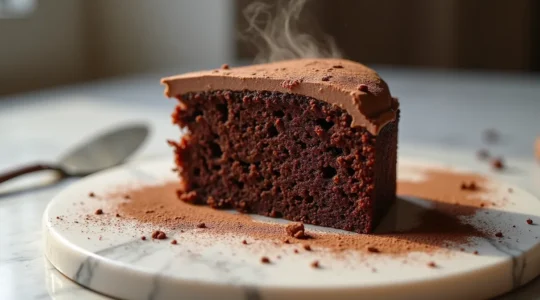
Your Gluten-Free Cake Is Dry. Here’s the Science of Why (and How Xanthan Gum Fixes It).
The frustration of a dry, sandy gluten-free cake isn’t a baking failure; it’s a scientific problem of moisture management. The lack of gluten creates an unstable structure prone to water loss. The solution lies in building a robust “hydration network”…
Read more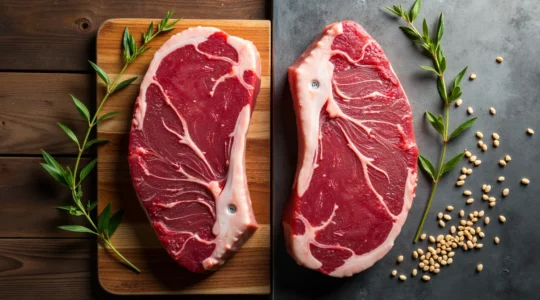
Grass-Fed vs. Grain-Fed: A Nutritional Economist’s View on Paleo Pricing
The high price of grass-fed beef is not always justified; true paleo cost-effectiveness comes from strategic budget reallocation toward nutritional density, not blanket premiums. Focus on high-impact, low-cost alternatives like organ meats, which offer superior nutritional ROI compared to expensive…
Read more
MSG Myths: Why the “Fifth Taste” Is Essential for Authentic Asian Cooking?
Contrary to decades of misinformation, MSG isn’t a mysterious or harmful additive but a pure form of umami, the ‘fifth taste.’ This article reveals that understanding umami is the key to unlocking the flavor control panel—involving salt, fat, acid, and…
Read more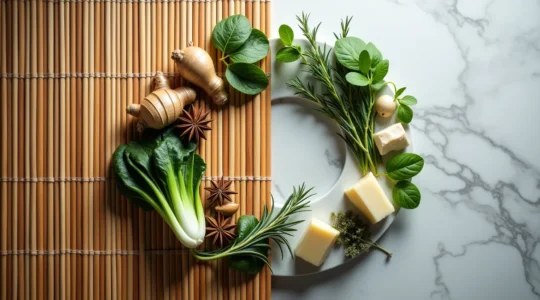
Fusion, Not Confusion: How to Masterfully Mix Cuisines Without Ruining the Dish
Successful fusion cooking isn’t random mixing; it’s a disciplined art based on understanding the universal “grammar” of flavor. Great fusion respects the structural pillars (acid, fat, heat) of each cuisine, rather than just combining popular ingredients. Authenticity comes from ingredient…
Read more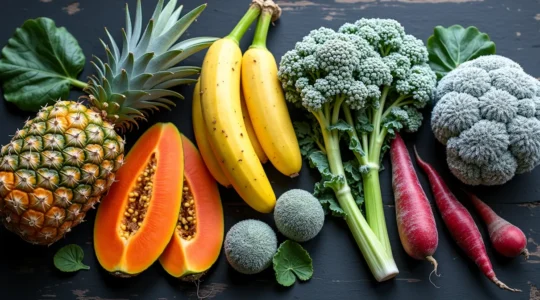
Why Eating Tropical Fruit in Winter Might Weaken Your Immunity?
Contrary to the belief that all fruit is good for immunity, eating tropical fruits in winter can actively weaken your body’s defenses by creating an internal “thermal shock.” Your body’s “metabolic fire” needs warming, cooked foods in winter to maintain…
Read more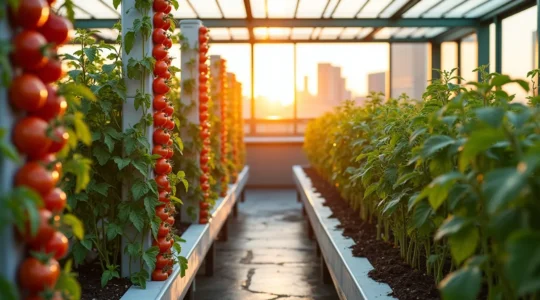
Hydroponics or Soil: Which Yields More Tomatoes on a Windy Rooftop?
Maximizing your rooftop harvest isn’t about choosing hydroponics or soil; it’s about selecting the system that best counters your roof’s specific environmental threats. Hydroponics offers superior control over pests and water, crucial for mitigating the unpredictable aerodynamic stress of high-rise…
Read more