Arts & Entertainment
The cultural landscape has undergone a remarkable transformation in recent years. Where galleries once asked visitors to observe quietly from a distance, today’s exhibitions invite you to step inside, touch surfaces, and become part of the artwork itself. Museums across North America, Europe, and Asia are reimagining their spaces as interactive playgrounds rather than static repositories. This shift reflects a broader evolution in how we consume, create, and value artistic experiences.
Whether you’re encountering projection-mapped environments, collaborating with generative algorithms, or navigating the ethics of digital ownership, understanding these emerging forms requires new frameworks and critical thinking. This article explores the key dimensions of contemporary arts and entertainment—from immersive technologies and participatory design to hands-on skill-building and the economics of experimental culture—equipping you with the knowledge to engage meaningfully with today’s creative landscape.
The Shift Toward Participatory Cultural Experiences
Traditional cultural consumption followed a predictable pattern: arrive, observe, reflect, and leave. Contemporary spaces are challenging this model by designing experiences that demand your active involvement. This transformation isn’t merely about novelty—it responds to fundamental changes in how audiences seek connection and meaning.
From Gallery Walls to Immersive Environments
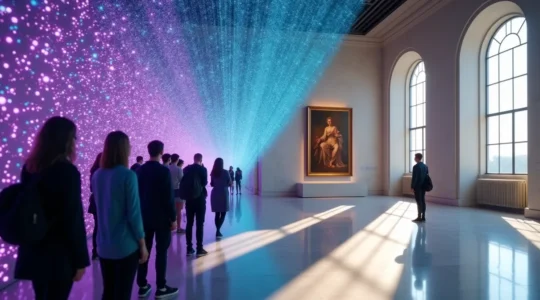
Immersive installations have proliferated across major cultural centers. In the United States, venues like Meow Wolf in Santa Fe create narrative-driven environments where visitors physically navigate fantastical spaces to uncover stories. London’s Tate Modern has hosted large-scale installations that transform entire halls into interactive ecosystems. Canadian institutions such as the National Gallery in Ottawa now regularly feature exhibitions where light, sound, and spatial design envelop viewers completely.
These environments leverage technologies like projection mapping—a technique that transforms irregular surfaces into dynamic canvases—and spatial audio to create multisensory experiences. The goal extends beyond visual spectacle; designers aim to trigger emotional and cognitive responses that static artworks cannot achieve alone. For audiences unfamiliar with these formats, the initial encounter can feel disorienting, but this unfamiliarity is precisely the point: breaking habitual patterns of observation opens space for fresh perspectives.
Why Participation Reduces Anxiety and Deepens Engagement
A common concern when entering interactive spaces is uncertainty about “doing it right.” Unlike traditional galleries with clear behavioral norms, participatory installations often lack explicit instructions. However, most successful interactive works are designed to accommodate exploration without judgment. Touch-responsive surfaces respond to any contact, motion-triggered elements activate regardless of your intention, and collaborative pieces thrive on diverse contributions.
Research from cultural institutions indicates that active participation significantly increases retention and emotional connection compared to passive observation. When you physically engage with an artwork—whether manipulating light patterns, contributing to a collective sound composition, or walking through responsive environments—you create personal memories anchored in action rather than mere viewing. This psychological shift transforms you from spectator to co-creator, fundamentally altering the cultural exchange.
Technology as Creative Medium and Tool
Understanding the technical foundations of contemporary art enriches appreciation and demystifies what might otherwise seem like magic. Several core technologies have become staples of modern cultural experiences, each with distinct capabilities and aesthetic possibilities.
Projection Mapping and Historical Illusions
Projection mapping uses sophisticated software to align projected images precisely with three-dimensional objects or architectural features, creating the illusion that static surfaces are transforming, moving, or dissolving. Major festivals in cities like Montreal, Shanghai, and Liverpool showcase this technology at monumental scales, turning building facades into animated canvases.
The underlying principle isn’t entirely new. The “Pepper’s Ghost” illusion, developed in the nineteenth century, used angled glass and strategic lighting to make ghostly figures appear on stage—a technique still employed in theme parks and theatrical productions. Modern projection mapping represents a digital evolution of this concept, applying similar principles of optical manipulation with vastly greater flexibility and precision. Understanding these historical continuities helps contextualize contemporary techniques within longer traditions of visual trickery and spectacle.
Algorithms as Creative Collaborators
Generative art—works created through autonomous systems following programmed rules—has moved from niche experimentation to mainstream exhibitions. Artists increasingly collaborate with algorithms, defining initial parameters while allowing computational processes to generate unexpected outcomes. This partnership raises fascinating questions about authorship and intentionality.
When you encounter a generative piece, you’re often witnessing a unique iteration that has never existed before and may never repeat exactly. Some installations generate new compositions in real-time based on environmental data, audience movement, or random inputs. British institutions like the Barbican Centre and American venues such as the Museum of Modern Art have curated major exhibitions exploring this territory, signaling its cultural legitimacy beyond purely technical domains.
Digital Art: Ownership, Ethics, and Monetization
The rise of digital-native artworks introduces complex questions about value, ownership, and authenticity that traditional physical media never confronted. Understanding these dimensions helps you navigate this evolving landscape with informed skepticism and genuine curiosity.
Navigating Digital Assets Beyond the Hype
Digital assets, particularly those verified through blockchain technologies, have generated intense speculation and equally intense backlash. Beyond the market volatility, these technologies address a genuine challenge: how to establish provenance and scarcity for infinitely reproducible digital files. For creators, this represents potential revenue streams previously unavailable for digital work. For collectors, it offers verifiable ownership of specific editions.
However, critical questions persist. Environmental concerns regarding energy-intensive verification processes remain significant, though newer protocols claim reduced impact. Regulatory frameworks vary dramatically: Canadian authorities have issued specific guidance on digital asset taxation, while approaches in the UK, US, and China continue evolving. When considering digital art acquisitions, focus on the work’s intrinsic qualities rather than speculative value, and understand exactly what rights you’re acquiring—display rights, reproduction rights, or merely ownership of a tokenized certificate.
Ethical Considerations in AI-Generated Art
As generative tools become accessible to non-programmers, questions about training data, attribution, and creative labor intensify. Many AI systems learn by analyzing vast datasets of existing artworks, raising concerns about compensation and consent from the original creators whose work informed the algorithm’s knowledge base.
Ethical engagement with these tools requires transparency about process. Responsible creators disclose their use of generative systems, acknowledge the algorithmic contribution, and consider the broader implications of their training data sources. As a cultural consumer, asking these questions—How was this created? What data informed the algorithm? What role did human decision-making play?—demonstrates sophisticated engagement rather than naive acceptance.
Building Skills Through Active Cultural Engagement
Beyond consuming culture, many seek opportunities to develop creative capabilities themselves. The distinction between passive entertainment and active skill-building lies in whether the experience leaves you with transferable knowledge and improved abilities.
Hands-on workshops offered by cultural institutions, community maker spaces, and independent artisans provide structured learning environments. In selecting these opportunities, consider several factors:
- Age appropriateness: Activities designed for children emphasize exploration and play, while adult programs may focus on technical precision or conceptual depth
- Skill level matching: Beginner sessions should prioritize accessible entry points over intimidating complexity
- Material quality: Working with professional-grade tools and materials, even as a novice, teaches standards and possibilities that inferior supplies cannot
- Instructor expertise: Learning from practicing artisans rather than purely academic instructors provides insights into professional realities and contemporary practices
Finding obscure local artisans often yields the most rewarding learning experiences. Small studios and independent practitioners frequently offer intimate instruction impossible in larger institutional settings. In cities across North America, the UK, and increasingly in Chinese urban centers, maker spaces and craft cooperatives serve as hubs connecting curious learners with skilled practitioners. These relationships extend beyond single transactions, potentially developing into ongoing mentorships that deepen your understanding far beyond what passive observation could achieve.
The Economics of Contemporary Cultural Experiences
High-end cultural experiences increasingly command premium pricing, raising questions about accessibility and value. Understanding the economic landscape helps you make informed decisions about where to invest your time and resources.
Experimental culture venues face significant operational costs. Interactive installations require ongoing technical maintenance, skilled operators, and regular content updates to remain compelling across multiple visits. These realities translate to ticket prices that can exceed traditional museum admission by substantial margins. Major immersive exhibitions in New York, London, Toronto, or Shanghai routinely charge amounts equivalent to premium entertainment like concerts or sporting events.
Budgeting effectively requires considering several dimensions:
- Duration and repeatability: Does the experience warrant the price for a single visit, or does it offer sufficient depth for multiple engagements?
- Timing optimization: Off-peak visiting times often provide better experiences with smaller crowds, and some venues offer reduced pricing during slower periods
- Comparative value: Assess the experience against alternatives—does it offer unique perspectives unavailable elsewhere, or is it primarily repackaging accessible content with superficial enhancements?
- Skill development vs. passive consumption: Experiences that teach transferable skills or deepen understanding provide lasting value beyond momentary entertainment
Many experimental venues struggle with pricing strategies. Setting costs too low undermines sustainability, while excessive pricing alienates audiences and contradicts cultural accessibility values. As audiences, supporting well-executed experiences at fair prices helps sustain the ecosystem, while avoiding overpriced spectacle discourages exploitative practices.
Critical Consumption: Authenticity in the Age of Instagram
Not all visually striking experiences possess substantive artistic merit. The proliferation of “Instagram traps”—installations designed primarily for social media photography rather than meaningful engagement—demands critical discernment.
Distinguishing authentic artistic experiences from hollow spectacle requires asking key questions. Does the work invite sustained engagement beyond the initial photograph? Do the creators demonstrate artistic intention and conceptual depth, or is the primary goal viral marketing? Does the experience encourage reflection and discovery, or does it merely provide backdrops for selfies?
Depth of immersion serves as a useful criterion. Genuine immersive works create environments that reward exploration, reveal layers of meaning over time, and respond to your presence in meaningful ways. Superficial installations offer immediate visual impact but lack substance upon closer examination. The most successfully “unphotographable” experiences—those whose richness cannot be captured in static images—often possess the greatest artistic value precisely because they prioritize lived experience over reproducible imagery.
This doesn’t mean photogenic qualities indicate superficiality. Many profound artworks are also visually compelling. The distinction lies in whether visual appeal serves deeper purposes or constitutes the entirety of the offering. Cultivating this critical eye enhances your ability to identify experiences worthy of your investment—financial, temporal, and emotional.
The contemporary arts and entertainment landscape offers unprecedented opportunities for participation, creation, and discovery. By understanding the technologies shaping these experiences, questioning the economics and ethics underlying them, and developing critical frameworks for evaluation, you transform from passive consumer to active, informed participant. Whether you’re stepping into a projection-mapped environment, experimenting with generative tools, or learning traditional crafts from local artisans, approaching these encounters with curiosity and discernment ensures they enrich rather than merely distract.
TeamLab or MoMA: Why “Experience Museums” Are Outselling Traditional Galleries?
The rise of immersive exhibits isn’t just an artistic trend; it’s the success of a fundamentally different economic model built on active participation, not passive observation. Immersive venues generate over 60% of their revenue from high-margin ticket sales, compared to…
Read more
AI Art vs. Human Design: How Copyright Law Can Protect Your Creative Portfolio
Contrary to common belief, copyright law is not powerless against AI; its protection simply hinges on your ability to prove significant human creativity. Purely machine-generated outputs are not copyrightable, but works where AI is a tool under human direction can…
Read more
Why a $50 Pottery Class Offers More Developmental Value Than a Theme Park?
Investing in a hands-on workshop like a pottery class delivers a far greater developmental return on investment (ROI) for a child than a day of passive entertainment. It actively constructs cognitive architecture and emotional resilience through problem-solving and sensory engagement….
Read more
Immersive vs. Traditional Theatre: Is the $100 Ticket an Artistic Investment or Just Hype?
The true value of an immersive ticket lies not in the hype, but in its ‘Artistic ROI’—the measurable ratio of narrative depth to manufactured spectacle. Shallow “selfie factories” prioritize aesthetics over story, while high-value experiences build detailed, explorable worlds. Effective…
Read more